
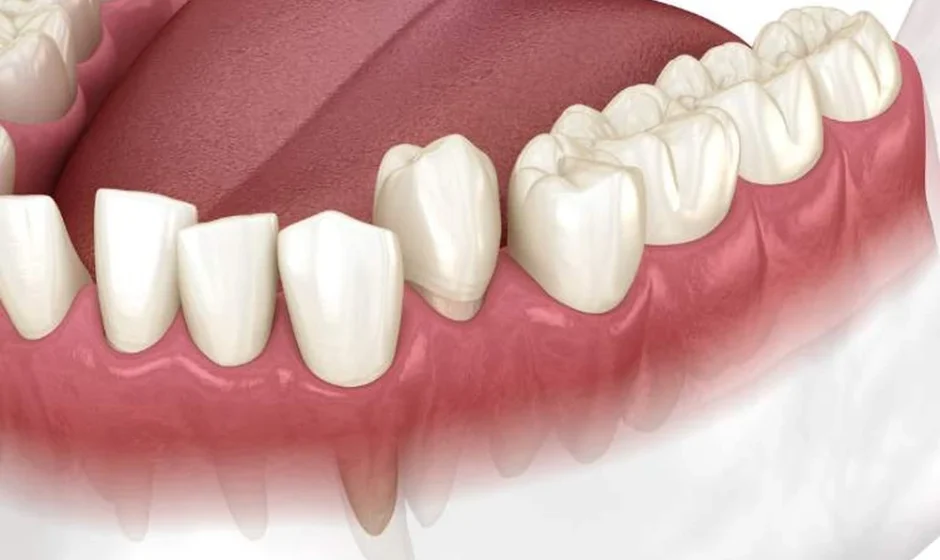

You might be feeling that something is “off” with your teeth, even if you cannot quite put your finger on it. Maybe your jaw feels tight at the end of the day, your teeth chip more easily than they should, or you wake up with headaches that seem to have no clear cause. At St. Mary Dental in Covina, CA, we understand how concerning these subtle symptoms can be. On the surface, everything might look fine in the mirror, yet your mouth tells a different story.end
This is often how bite alignment problems start. They creep in quietly. There is a “before” when you barely notice them, then an “after” when you suddenly realize your jaw hurts, your teeth are wearing down, and you are worried about the cost and time of treatment.
The good news is that a general dentist is trained to spot many of these bite issues early, often long before you feel pain. Through regular checkups, careful exams, and simple tests, your dentist can catch small warning signs and help you correct them before they turn into bigger, more expensive problems.
So, where does that leave you? It means you do not have to wait until your bite feels “broken” to get help. With the right information and a bit of consistency, you can use general dentistry as your early warning system for misalignment and jaw stress.
Why bite alignment problems feel confusing and easy to ignore
Bite alignment issues, also called malocclusion, are not always obvious. According to trusted medical sources on malocclusion, your upper and lower teeth should meet in a way that spreads pressure evenly when you chew. When they do not, the body quietly compensates. Muscles overwork. Teeth wear down. Joints strain.
At first, you might notice only small hints. A single tooth that hits a bit harder than the others. A clicking sound in your jaw when you yawn. Occasional soreness when chewing something tougher. Because these signs come and go, it is easy to brush them off as “no big deal.”
Over time, though, the picture can change. Extra pressure on certain teeth can cause cracks or chips. Enamel can wear away. The jaw joint can become inflamed. You might start grinding at night without realizing it, which can lead to morning headaches or neck pain. Suddenly this is not just a “weird feeling” anymore. It is affecting your sleep, your comfort, and even your mood.
Emotionally, this can be frustrating. You might feel annoyed that something as basic as your bite is giving you trouble. You may worry about braces or other treatment as an adult, or about how your child’s teeth are developing. You might even feel a bit embarrassed to bring it up, because everything looks mostly normal when you smile.
Because of this tension, you might wonder if you should wait and see, or if you should speak up at your next cleaning. That is exactly where early detection through general dental care for bite problems becomes so important.
How general dentistry quietly spots bite issues before they hurt
A routine visit to a general dentist is about much more than cavities and cleanings. It is also one of the best ways to catch early bite misalignment.
During an exam, your dentist will often:
- Check how your upper and lower teeth come together when you bite and slide side to side.
- Look for uneven tooth wear, small chips, or fractures that suggest extra pressure.
- Feel the jaw joints and muscles for tenderness or clicking when you open and close.
- Review your medical and dental history, including headaches, grinding, or past trauma.
- Use X rays to assess root positions, jawbone health, and overall alignment.
Many of the terms for these bite patterns and tooth relationships are defined in the American Dental Association glossary of dental terms. While the language can sound technical, your dentist’s role is to translate what they see into simple, clear explanations you can act on.
For children, this early detection is especially important. A general dentist or pediatric dentist will watch how baby teeth are lost, how adult teeth come in, and how the jaws grow. The guidelines on normal dental development show that there are expected patterns and timing. When things drift off track, early guidance can often prevent more complex problems later.
So, what happens when your dentist actually finds something? You might hear terms like “deep bite,” “crossbite,” or “open bite.” You might be told that you clench or grind, or that certain teeth are taking too much force. This can sound intimidating at first, yet it also means you have caught the problem at a stage when you still have options.
Is it worth addressing bite issues early or waiting until they get worse?
When you learn that your bite is off, it is natural to think, “Do I really need to fix this right now?” To make that decision clearer, it helps to compare what usually happens when you act early versus when you wait.
| Approach | Short term impact | Long term impact | Typical role of a general dentist |
|---|---|---|---|
| Addressing bite problems early | May need a night guard, minor bite adjustments, or early orthodontic referral. Usually manageable costs and time. | Lower risk of fractures, jaw pain, and severe misalignment. Often avoids more complex treatment later. | Monitors bite at each visit. Provides conservative treatment and coordinates with orthodontists if needed. |
| Waiting until symptoms are severe | Symptoms like pain, headaches, and broken teeth become frequent. Treatment feels more urgent and stressful. | Higher chance of root canals, crowns, extractions, or jaw joint issues. Treatment can be longer and more expensive. | Manages damage as it appears. Often needs to repair teeth and then refer for orthodontic or jaw treatment. |
| DIY or ignoring the issue | Temporary relief at best. Grinding or clenching may continue unchecked. | Teeth and joints continue to wear down. Problems are harder to reverse. | Only becomes involved once you decide to seek professional care. |
When you look at it this way, early detection through early bite assessment by a general dentist is less about “over treating” and more about protecting your future choices. It gives you room to think, plan, and choose what feels right for you or your child, instead of being pushed into decisions by sudden pain or breakage.
Three practical steps you can take right now
You do not have to overhaul your life to start caring for your bite. Small, focused steps can make a real difference.
1. Pay attention to subtle warning signs
Over the next week or two, notice how your mouth and jaw feel during normal life. Ask yourself:
- Do certain teeth hit first when I close my mouth?
- Do I wake up with sore jaws, tight neck muscles, or headaches?
- Do my teeth look shorter, flatter, or more chipped than they used to?
- Does my jaw click or pop when I open wide or chew?
Write down what you notice. Bring those notes to your next dental visit. This gives your dentist a clearer picture and helps them connect what they see with what you feel.
2. Use your routine checkup as a “bite conversation,” not just a cleaning
At your next appointment, speak up about any concerns, even if they feel small or “not serious enough.” You might say something like:
- “My bite feels uneven on one side. Can you check how my teeth are coming together?”
- “I have been waking up with jaw tightness. Could this be related to grinding?”
- “My child’s teeth look crowded. Is this normal for their age?”
Ask your dentist to explain what they see in simple terms. You can also ask if photos or models of your teeth would help you understand the alignment. When you treat your checkup as a real conversation about comfort and function, your dentist can guide you more precisely.
3. Follow through on simple protective steps
If your general dentist suggests a night guard, small bite adjustments, or an orthodontic evaluation, it is not a sign that things are “terrible.” It usually means they see early stress and want to protect you before damage occurs.
Following through on these smaller steps can:
- Reduce the force on vulnerable teeth.
- Give your jaw joints and muscles a chance to relax.
- Prevent minor wear from turning into cracks or fractures.
- Support more balanced growth in children and teens.
You always remain in control of your choices. Your dentist’s role is to show you what is happening, explain your options, and support you in whichever path you choose.
Moving forward with more clarity and less fear
If you have been worried about your bite, you are not alone. Many people sense that something is off long before they have words for it. That worry is understandable. Teeth and jaws affect how you eat, speak, sleep, and even how you feel about your smile.
The encouraging part is that you do not need a dramatic problem to seek help. Regular visits to a general dentist, honest conversations about your symptoms, and small protective steps can keep you ahead of serious bite issues. Early attention is not about fear. It is about giving yourself options, comfort, and peace of mind.
So the next time you are in the chair for a “simple” cleaning, consider using that moment to ask about your bite. A short conversation today can spare you a lot of pain and uncertainty later, and it can turn routine general dentistry into a powerful tool for long term comfort and confidence.