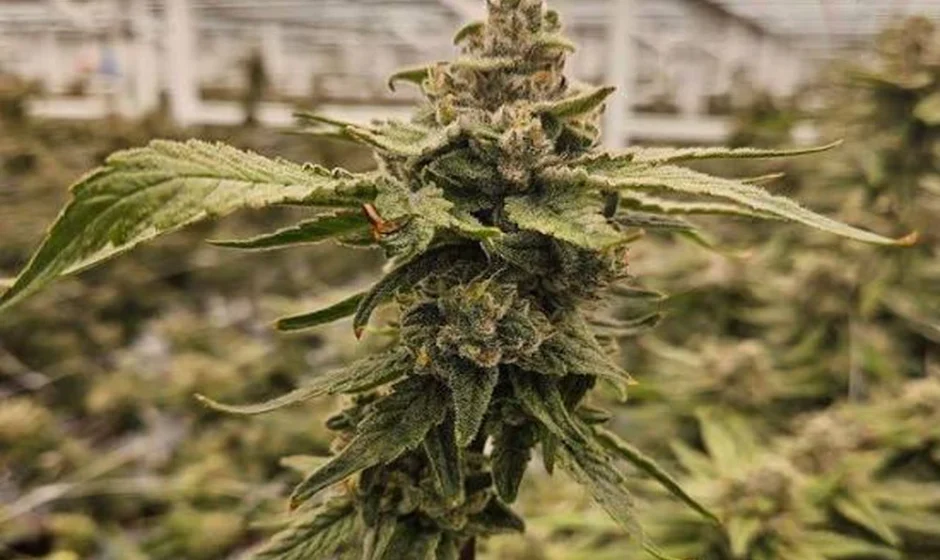

Cannabis cultivation depends on genetics, plant health, and consistent growing conditions. Medicana Lab connects these elements through strain selection, cloning expertise, and cultivation support. For customers seeking a licensed cannabis dispensary bangkok, understanding plant quality helps distinguish verified products from uncertain stock. Laboratory-led practices also help cultivators maintain uniformity, identify contamination risks, and make informed production decisions.
Strong Genetics Shape Strain Performance
Each cannabis strain carries distinct inherited traits affecting growth, aroma, and cannabinoid composition. Reliable genetic records help cultivators select plants suited to specific production goals. Rather than judging appearance alone, professional evaluation considers lineage, stability, and laboratory results. This foundation supports predictable cultivation and more consistent harvest characteristics.
Plant Clones Preserve Valuable Traits
Cloning reproduces a selected mother plant through vegetative propagation. This method preserves desirable genetics without relying on seed variation. Successful propagation requires clean tools, healthy source material, and suitable rooting conditions. Tissue culture offers another route, multiplying plant material under controlled, sterile laboratory conditions. However, cleanliness alone cannot guarantee pathogen-free clones. Testing remains essential.
Which Cultivation Conditions Matter Most?
Environmental control influences plant development throughout the production cycle. Temperature, humidity, airflow, lighting, and irrigation each affect growth. Poorly managed moisture can encourage fungal disease, while inconsistent lighting alters development patterns.
Effective cultivation plans therefore include:
- Monitoring temperature and relative humidity.
- Maintaining airflow around developing foliage.
- Checking irrigation quality and root-zone conditions.
- Recording growth changes across production batches.
- Cleaning equipment between propagation sessions.
These records reveal patterns before small problems spread.
How Does Laboratory Testing Help?
Laboratory analysis adds evidence beyond visual inspection. Genetic testing can assess plant identity, while pathogen screening helps identify biological threats. Chemical analysis measures cannabinoid profiles and may detect unwanted contaminants. For a licensed cannabis dispensary bangkok, traceable supplier records and appropriate testing strengthen product verification. Each result supports a specific decision; no single test establishes complete quality.
Which Cultivation Solutions Deliver Consistency?
A dependable cultivation system combines suitable genetics with disciplined monitoring. Medicana Lab’s cultivation-focused approach can be evaluated through practical criteria:
- Select genetics aligned with production objectives.
- Maintain documented mother-plant health records.
- Track propagation batches and rooting outcomes.
- Verify test methods and sample identification.
- Review environmental data before adjusting equipment.
These measures connect laboratory findings with decisions made during cultivation.
Why Traceability Matters Beyond Harvest
A healthy clone represents more than successful propagation. Its identity, source plant, and test history create a record that follows production forward. When each batch has traceable documentation, unexpected results become easier to investigate. The real advantage is accountability: one mislabeled cutting can compromise an otherwise carefully managed production cycle.
FAQs
What distinguishes a cannabis strain?
Genetic lineage influences growth characteristics, aroma, and cannabinoid potential. Environmental conditions also affect the final expression of those traits.
Why choose clones over seeds?
Clones preserve selected plant genetics and support uniform batches. Seeds introduce genetic variation, which can be valuable for breeding.
Can laboratory testing guarantee healthy clones?
No single test guarantees complete plant health. Appropriate screening reduces uncertainty but depends on sampling and test quality.
What should cultivation records include?
Records should identify source plants, propagation dates, environmental readings, and test results. Accurate documentation supports traceability and helps resolve production issues.