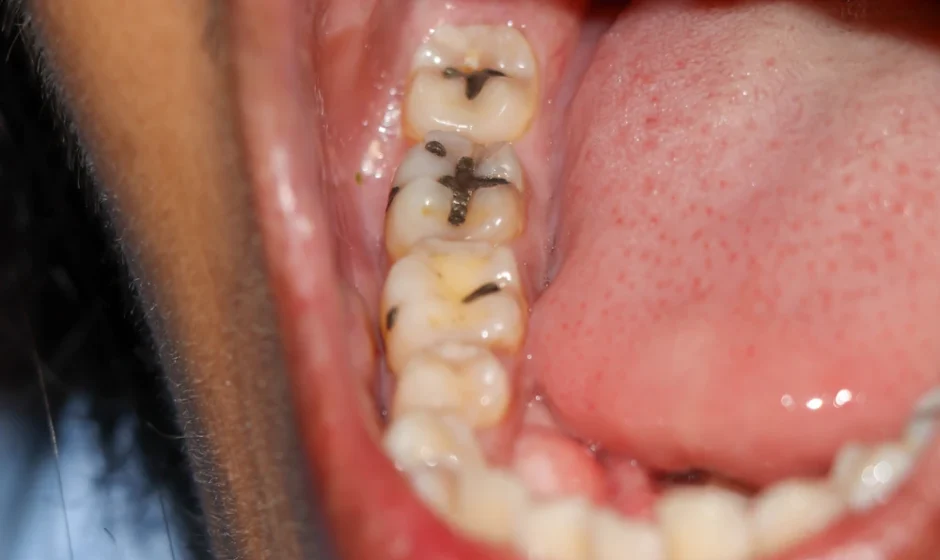

You brush your child’s teeth, try to limit sweets, and still wonder if you’re missing something. Maybe one child hates flossing, another has crowded teeth, and you keep meaning to schedule your own cleaning but life gets in the way. Tooth decay often starts quietly, and by the time it hurts, the fix is bigger, more expensive, and harder on everyone. That is where a Lorton family dentist matters most. It creates steady care for every age, catches problems early, and helps your household build habits that lower the risk of cavities over time.
Decay is common because it does not come from one bad day. It builds from small patterns. A rushed bedtime, a sports drink after practice, a skipped checkup, dry mouth from medication, deep grooves in back teeth, braces that trap food. Those details add up. According to the CDC’s overview of cavities and tooth decay, cavities are caused by bacteria and acid that break down tooth enamel. Once enamel weakens, the problem can move fast.
Family dental care works because prevention depends on consistency
A family dentist sees the full picture. Instead of treating one tooth at a time in isolation, they track patterns across years and across the household. If a parent has a history of gum disease or frequent decay, that can shape what the dentist watches for in children. If a child has enamel weakness or poor brushing technique, the dentist can coach early, before small spots become fillings.
This kind of continuity matters because people do not all face the same risks at the same age. Young children may need help with brushing longer than many parents expect. Teens often deal with diet changes, orthodontic appliances, and inconsistent routines. Adults may have grinding, old dental work, or dry mouth from prescriptions. Older family members may face exposed roots or trouble cleaning around bridges and crowns. A single dental home makes those shifts easier to manage.
You also avoid the cycle many families know too well. One person goes in only when something hurts. Another avoids care because of fear. A child picks up that anxiety and starts seeing the dentist as a place for bad news. Preventive visits change that tone. They make dental care normal, familiar, and less stressful.
Tooth decay often starts with ordinary habits that feel harmless
Most cavities do not begin with a dramatic mistake. They start with the things families barely notice. Juice in a sippy cup. Frequent snacking. Falling asleep without brushing. Sharing utensils with a baby. Waiting to bring a child in because the baby teeth will “fall out anyway.” Those early years matter more than many people realize, and the CDC’s oral health tips for children lays out simple habits that protect teeth from the start.
Baby teeth hold space for adult teeth, support speech, and help children eat without pain. When they decay early, the effects can spread into school attendance, sleep, nutrition, and confidence. That same pattern continues later in life. A small cavity can become a root canal. A missed cleaning can turn into gum inflammation that threatens the teeth supporting your bite.
Preventive dental care for families lowers those risks because it combines cleanings, exams, fluoride, sealants when appropriate, and practical advice that fits real life. Not perfect life. Real life, where mornings are rushed and kids push back.
Regular family dentist visits reduce both cost and disruption
Many people delay appointments because they are trying to save money. That makes sense in the moment, especially when no one is in pain. The trouble is that decay gets more expensive the longer it sits. A cleaning and exam cost less than a filling. A filling costs less than a crown. A crown costs less than losing a tooth and replacing it.
Children are also seeing dental professionals more often, which reflects a broader push toward prevention. The National Institute of Dental and Craniofacial Research reports rising dental visits among children, along with stronger support for pediatric providers. That shift matters because frequent contact gives families more chances to catch changes early.
| Approach | Short Term Effect | Long Term Result |
|---|---|---|
| Routine cleanings and exams | Small issues found early, plaque removed, home care improved | Lower chance of cavities, fewer urgent visits, lower overall costs |
| Waiting until pain starts | Problem may already be advanced | More fillings, crowns, extractions, missed school or work |
| Child focused care only | Parent issues may go untreated | Inconsistent household habits and weaker prevention overall |
| Family dentist for all ages | Shared records, simpler scheduling, coordinated advice | Better continuity, stronger habits, earlier intervention |
Family dentistry supports better habits at home
The best dental visits do more than clean teeth. They show you what is actually happening in your mouth and your child’s mouth. Maybe brushing misses the gumline. Maybe the back molars need sealants. Maybe your teen sips sports drinks all day and does not realize the acid exposure is constant. Maybe your own sensitivity is a sign of enamel wear, not just “getting older.”
That is why cavity prevention through family dental care works so well. It turns vague advice into specific guidance. Use this toothpaste. Brush this area longer. Switch this snack. Come back sooner because these grooves are high risk. Those details are what prevent decay.
Three steps you can take right away
1. Put every family member on the same recall schedule. One office, one calendar system, one plan. When appointments are spread out randomly, it is easier to miss them. Grouping care makes follow through simpler.
2. Audit the daily cavity triggers at home. Look at what happens between meals, before bed, and during busy mornings. Frequent sugar and acid exposure often matter more than one dessert after dinner. If someone snacks or sips all day, the teeth get fewer chances to recover.
3. Ask for a prevention plan that matches each age. A toddler, a teen with braces, and an adult with dry mouth do not need the same advice. A good plan should cover brushing, flossing, fluoride, diet, and visit frequency in a way you can actually maintain.
Keeping cavities away rarely comes down to one perfect product or one flawless routine. It comes from steady attention, early care, and a dental team that knows your family over time. Family dental care makes prevention easier because it fits real households, not ideal ones. If your family is overdue, now is a good time to schedule those visits and get ahead of tooth decay before it asks for more time, money, and stress than it should.