
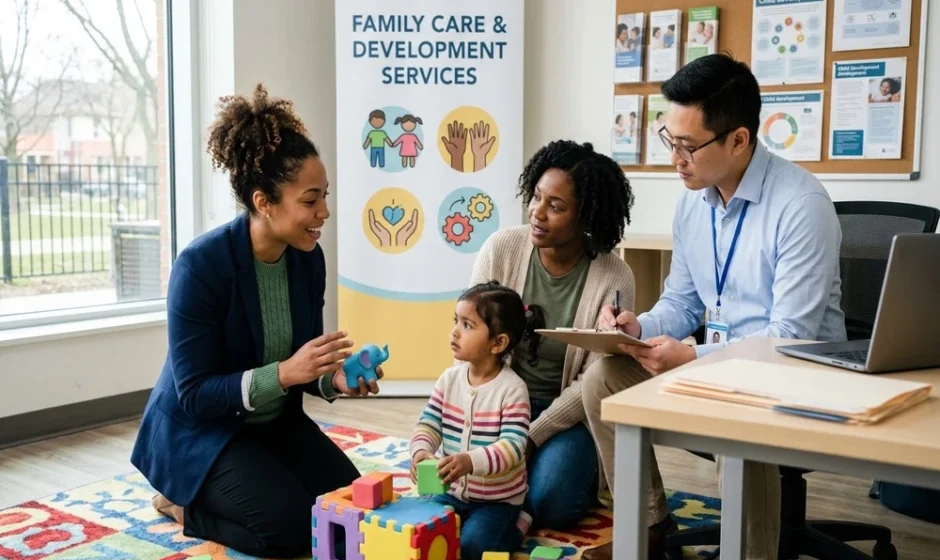

Childhood development is shaped by many connected parts of life, including behavior, communication, emotional well-being, feeding, family routines, and access to supportive care. When a child has developmental, behavioral, feeding, or mental health challenges, families often work with several professionals across different areas of healthcare. Each provider may focus on a specific need, but children tend to do best when support feels connected instead of scattered.
Coordinated care helps families understand what is happening, what steps come next, and how different services can work together. It can also reduce confusion and stress for caregivers, especially when a child needs support in more than one area. From infancy through childhood, collaboration among caregivers, therapists, medical providers, educators, and mental health professionals can create a steadier foundation for growth.
Early Support and the Value of Timely Intervention
Early developmental support can make a meaningful difference in a child’s long-term progress. When delays or behavioral concerns are identified early, families can begin using strategies that support communication, learning, social interaction, and emotional regulation. Early intervention does not mean labeling a child too soon. It means giving families tools and guidance during a stage when the brain is especially responsive to learning.
Behavioral therapy is one important part of early support for some children, especially those with autism spectrum disorder or developmental differences. Applied behavior analysis therapy, often called ABA therapy, focuses on building practical skills through structured teaching, positive reinforcement, and careful observation. Providers such as Sunshine Advantage offer autism support and ABA therapy that can help children build communication, daily living, and social skills in ways that are tailored to their needs.
Early support also helps caregivers. Parents and guardians often want to help but may not know which strategies will work best. When professionals explain goals clearly and involve caregivers in the process, families can bring helpful techniques into daily routines. This creates more consistency across therapy sessions, home life, and school environments.
Family Involvement as a Core Part of Care
Children do not develop in isolation. Their progress is closely tied to the relationships, routines, and communication patterns within their family. For that reason, family involvement is a key part of effective developmental and behavioral support. When caregivers understand the purpose behind therapy goals, they can reinforce new skills during everyday moments such as meals, playtime, bedtime, and transitions.
Family involvement also helps professionals see the full picture. A child may behave differently at home than in a clinic or school setting. Caregivers can offer valuable context about sleep, feeding, stress, sibling relationships, sensory sensitivities, and communication patterns. This information helps therapists and healthcare providers adjust their recommendations so they fit the family’s real life.
The goal is not to put more pressure on families. Family-centered care should make support feel more practical and manageable. Small, consistent changes often have more lasting value than complicated plans that are difficult to follow. When providers listen to caregivers and respect family priorities, care becomes more realistic and more effective.
Feeding, Attachment, and Infant Development
Infancy is a critical stage for bonding, nutrition, and early regulation. Feeding experiences can affect physical growth, caregiver confidence, and emotional well-being. When feeding is difficult, parents may feel anxious, discouraged, or unsure whether their baby is getting enough nourishment. These concerns can affect the whole household, especially during the early months after birth.
Lactation consulting and infant feeding support can help families manage breastfeeding challenges, pumping questions, latch issues, milk supply concerns, and feeding routines. Corporate Lactation Services provides breastfeeding support, lactation consulting, workplace lactation programs, and infant feeding support. Services like these can be especially helpful for parents returning to work, families navigating feeding transitions, or caregivers looking for guidance that fits their daily responsibilities.
Feeding support is also part of broader healthcare coordination. Pediatricians, lactation consultants, occupational therapists, and mental health providers may all have roles, depending on the family’s needs. When these professionals communicate clearly, families are less likely to receive conflicting advice. That can reduce stress and help caregivers make informed feeding decisions with more confidence.
Emotional Wellness in Childhood
A child’s emotional wellness affects how they learn, relate to others, and respond to challenges. Emotional support may be needed when a child experiences anxiety, sadness, behavioral changes, trauma, grief, school stress, or difficulty managing frustration. These concerns can look different depending on age. A young child may have frequent tantrums or sleep disruptions. An older child may withdraw, struggle academically, or show changes in mood.
Behavioral therapy and counseling can support children by helping them identify feelings, build coping skills, improve communication, and develop healthier responses to stress. Emotional support works best when it fits the child’s developmental stage. Young children often benefit from play-based approaches, parent coaching, and routines that help them feel safe. Older children may benefit from counseling that gives them language for their emotions and strategies for solving problems.
Caregivers also play an important role in emotional wellness. Children often borrow calm from adults before they can regulate themselves independently. When families receive guidance on responding to emotional distress, they can support the child without unintentionally reinforcing patterns that increase anxiety or avoidance. This shared approach can strengthen both the child’s coping skills and the family’s confidence.
Mental Health Resources for the Whole Family
A child’s well-being is connected to the mental health of the broader family. When caregivers are overwhelmed, depressed, anxious, or managing serious mental illness within the household, children may feel the effects even when adults try to protect them. Family-centered mental health care recognizes that support should not focus on one person in isolation. It considers relationships, communication, safety, routines, and caregiver capacity.
Doro Mind offers family-centered mental health care, support for serious mental illness, and caregiver and family resources. These services can help families better understand mental health conditions, improve communication, and identify practical ways to support both the individual receiving care and the people around them. For children, this can create a more predictable and emotionally secure home environment.
Family mental health support can also reduce shame. Many families delay seeking help because they worry about judgment or fear their situation is too complex. Education, counseling, and caregiver resources can normalize the need for support and provide a clearer path forward. When families receive help early, they are often better equipped to prevent crises and maintain healthier daily routines.
Communication Across Providers
Coordinated care depends on communication. A child may receive support from a pediatrician, therapist, school counselor, lactation consultant, psychologist, psychiatrist, speech-language pathologist, or occupational therapist. Without coordination, families can end up carrying information between providers, explaining the same concerns repeatedly, and trying to connect recommendations on their own.
Good communication helps everyone work from the same understanding of the child’s needs. This may include shared goals, progress updates, referral notes, caregiver observations, and clear explanations of next steps. When providers communicate with consent and respect privacy, care feels more organized and less overwhelming for families.
Coordination also helps prevent gaps in support. A child receiving behavioral therapy may also need counseling for anxiety, feeding support, or school-based accommodations. When each provider understands the larger care plan, recommendations can be better aligned. This creates more consistency for the child and reduces mixed messages for caregivers.
Counseling and Behavioral Support for Children and Families
Behavioral and emotional concerns often overlap. A child who refuses school may be experiencing anxiety. A child who has frequent outbursts may be struggling with communication, sensory overload, trauma, or difficulty with transitions. Counseling and behavioral therapy can help families understand what may be driving a behavior instead of focusing only on stopping it.
AlliancePsychologyut.com provides behavioral therapy, emotional support, and counseling for children and families. Services like these can help families address emotional concerns, relationship stress, coping difficulties, and behavioral patterns that interfere with daily life. Counseling may also give caregivers space to reflect on their own responses and learn strategies that support calmer, more constructive interactions.
This kind of support can be especially helpful when families feel stuck. Professional guidance can reveal patterns that are hard to see from inside the situation. Over time, children can learn healthier ways to express their needs, while caregivers learn how to respond with consistency and empathy. The result is often a more supportive home environment and stronger communication among family members.
Reducing Caregiver Stress Through Practical Support
Caregiver stress can have a major effect on childhood outcomes. Parents and guardians often manage appointments, school communication, insurance questions, daily routines, work responsibilities, and emotional demands all at once. When a child has developmental, behavioral, feeding, or mental health needs, the pressure can become even greater.
Practical support can reduce that burden. Clear care plans, realistic goals, provider collaboration, and caregiver education all help families feel less alone. Even simple improvements, such as knowing who to contact for a specific concern or understanding what progress may look like, can make care feel more manageable.
Reducing caregiver stress benefits children too. When caregivers feel supported, they are often more patient, consistent, and emotionally available. Families do not need to be perfect. They need support systems that recognize the real demands of caregiving and offer tools that fit daily life.
Building a Continuum of Care From Infancy Through Childhood
Children’s needs change over time. Infant feeding support may be the first service a family uses. Later, the child may need developmental screening, behavioral therapy, school support, counseling, or family mental health resources. A continuum of care allows families to move between services as needs shift instead of starting over each time a new concern appears.
This approach supports prevention, early identification, and steady follow-through. It also recognizes that childhood development includes physical, emotional, behavioral, and relational health. No single provider can address every need. But when providers work together and families are included as active partners, children receive more complete support.
A coordinated continuum of care also helps families prepare for transitions. These may include returning to work after birth, starting preschool, entering elementary school, managing adolescence, or adjusting after a diagnosis. With the right support, transitions can feel less disruptive and more manageable for both children and caregivers.
Conclusion
Improving childhood outcomes takes more than one service or one appointment. Children benefit when developmental support, feeding guidance, behavioral therapy, emotional wellness services, and family-centered mental healthcare work together. Each area supports a different part of the child’s growth, and the impact is strongest when care is coordinated.
Families also need clear communication, practical education, and compassionate support. When caregivers and professionals collaborate, they can identify concerns earlier, reduce stress, and build consistent routines that support healthy development. From infancy through childhood, coordinated care can help children grow with stronger skills, better emotional support, and a more stable foundation for the future.